
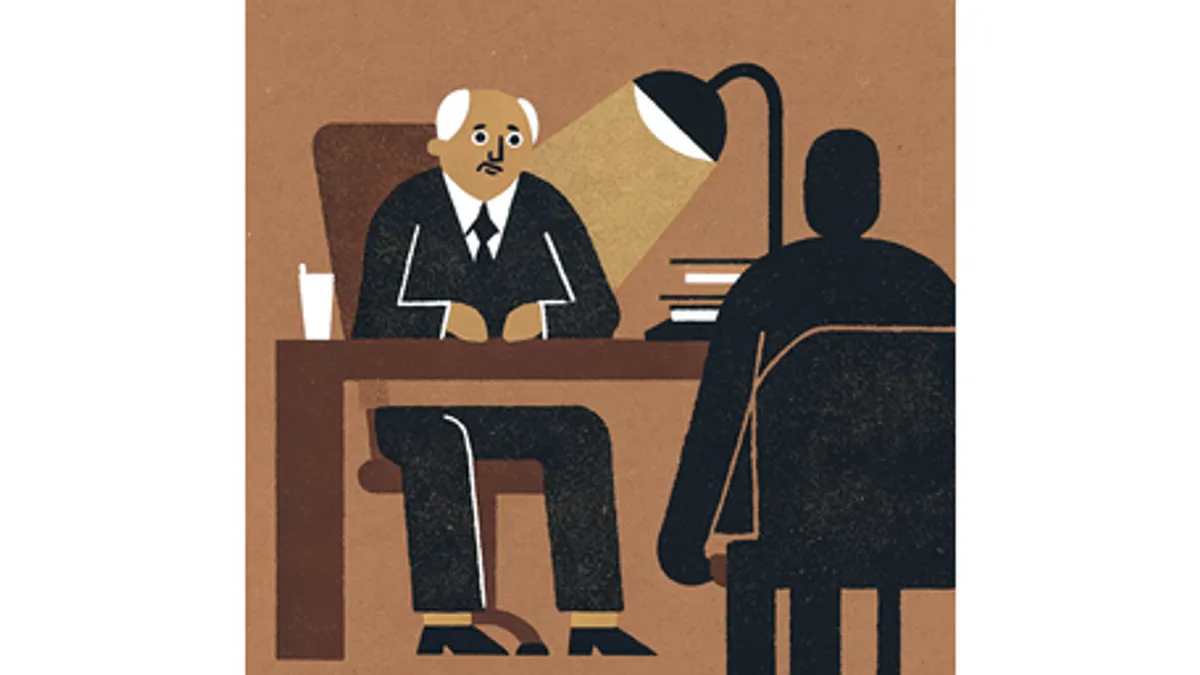
The signs of a micromanaging boss include needing approval for small decisions, constant requests for updates, being copied on every email, and having your finished work redone. On their own, these seem minor. Together, and repeated daily, they point to a manager who controls how you work rather than trusting you to deliver.
What are the signs of a micromanaging boss?
The signs of a micromanaging boss are the everyday behaviors that strip away your independence. The clearest ones are a refusal to delegate, demands for frequent updates, a need to approve minor decisions, and a focus on how you work rather than what you achieve. One or two can be normal — a steady pattern is the real signal.
Most signs fall into three groups, which makes them easier to spot in your own boss:
| Category | What it looks like |
|---|---|
| Control over decisions | You need sign-off for small choices, from wording to scheduling, and your manager grows irritated when anything moves without them. |
| Constant monitoring | They ask for updates several times a day, insist on being copied on routine emails, or watch your online status to check you're working. |
| Distrust of your output | They redo completed work, nitpick trivial details, and rarely seem satisfied even when the result is strong. |
The single most reliable tell is where your energy goes. If you spend more time reporting on the work than doing it, the balance has tipped from management into micromanagement. A manager who trusts you wants the outcome; a micromanaging boss wants to watch the process.
What are the subtle signs you're being micromanaged?
The subtle signs of micromanagement are the ones that don't look like control at first. They include a boss who disappears then swoops in at the last minute, one who gatekeeps your access to other people, and the slow feeling that you've stopped learning anything new in your role.
| Subtle sign | What it looks like |
|---|---|
| The fly-in, fly-out boss | They stay absent for days, then arrive at the eleventh hour to overhaul the work — controlling the result without supporting the process. |
| The gatekeeper | They insist on being the only point of contact with clients or senior staff, so you can't build relationships or speak for your own work. |
| Availability pressure | In remote or hybrid roles, they track your online status and treat visible activity as proof of effort rather than looking at output. |
| Stalled growth | You're never trusted with anything new or high-stakes, so your skills plateau without any obvious moment when it happened. |
That last one is worth sitting with. Micromanagement does its quietest damage to your development, because you can't learn from decisions you're never allowed to make. If you look back over several months and can't name one new responsibility you were trusted with, that absence is a sign in itself.
How do you know if you're being micromanaged or just closely managed?
You know it's micromanagement, rather than close management, when the oversight removes your judgment instead of supporting it. A close manager stays involved to help you succeed, then steps back. A micromanaging boss stays involved to keep control, and the involvement never eases as you prove yourself.
Gallup offers a sharp one-question test for this: is the team customer-obsessed, or boss-obsessed? On a healthy team, the work is aimed at the goal and the customer. On a boss-obsessed team, the only thing that matters is what the manager thinks — pleasing them quietly replaces doing good work (Gallup, The Ultimate Guide to Micromanagers).
The most useful distinction, though, is time. Close management is heaviest when you're new or the stakes are high, and it eases as you find your feet. Micromanagement stays constant no matter how well you perform, and often tightens rather than relaxes. If months pass and the scrutiny hasn't lifted, you're most likely being micromanaged rather than supported.
What does being micromanaged feel like?
Being micromanaged feels like working under a constant, low-level watch that slowly wears down your confidence. Many people describe a knot of anxiety when a message arrives, a reluctance to make decisions they were hired to make, and a creeping sense that nothing they produce is quite good enough.
The emotional signature often arrives before you can name the behavior causing it. You may notice you're second-guessing choices that used to feel obvious, or rehearsing how to justify ordinary work before anyone has questioned it. That feeling isn't a personal weakness, and it's a predictable response to having your autonomy removed — not a verdict on your ability.
It also helps to know the behavior usually says more about the manager than about you. Most micromanaging bosses are acting out of their own anxiety — fear of being blamed for someone else's mistake, pressure from above, or simple inexperience leading people — rather than malice. Seeing it that way won't make the experience lighter to carry, but it can stop you from internalizing the criticism. That's often the first step toward either addressing it directly or deciding the role isn't one you want to keep investing in.
Frequently asked questions
What is the root cause of micromanagement?
The root cause of micromanagement is almost always a lack of trust, usually driven by the manager's own anxiety. Fear of failure, inexperience in leading others, perfectionism, or pressure from their own boss push managers to control the details as a way of managing their worry. It's rarely a deliberate attempt to make employees miserable.
What personality type is a micromanager?
There's no single personality type, but micromanagers often share certain traits. Many are perfectionists who struggle to accept other ways of working, some are anxious and risk-averse, and others were strong individual contributors who never learned to lead through people. The common thread is discomfort with letting go of control, not a fixed personality profile.
When should you leave a job due to micromanaging?
Consider leaving when the micromanagement is harming your health, stalling your growth, or hasn't eased despite genuine efforts to build trust and set boundaries. If your confidence is eroding, you've stopped learning, and the situation shows no sign of change, moving on is a reasonable choice — see our guide on how to leave a role cleanly if you're early into the job. Before you go, it's worth asking about team autonomy in future interviews so you don't land in the same dynamic again.
👉 Ready for a manager who trusts your work? The MakeResume AI builder helps you put your best work forward for the next role.
Tools & guides mentioned in this article
- AI Resume Builder
Build an ATS-ready resume with AI writing help and live preview.
- Resume Templates
Browse ATS-friendly layouts for every industry and career stage.
- Free ATS Checker
Upload your resume and get an instant ATS compatibility score.
- Career Advice Blog
More resume, ATS, and job-search guides from MakeResume.
Land 3x more interviews with AI.
Don't let your resume get stuck in an ATS. Build an optimized resume in minutes, then validate it with our free checker.