
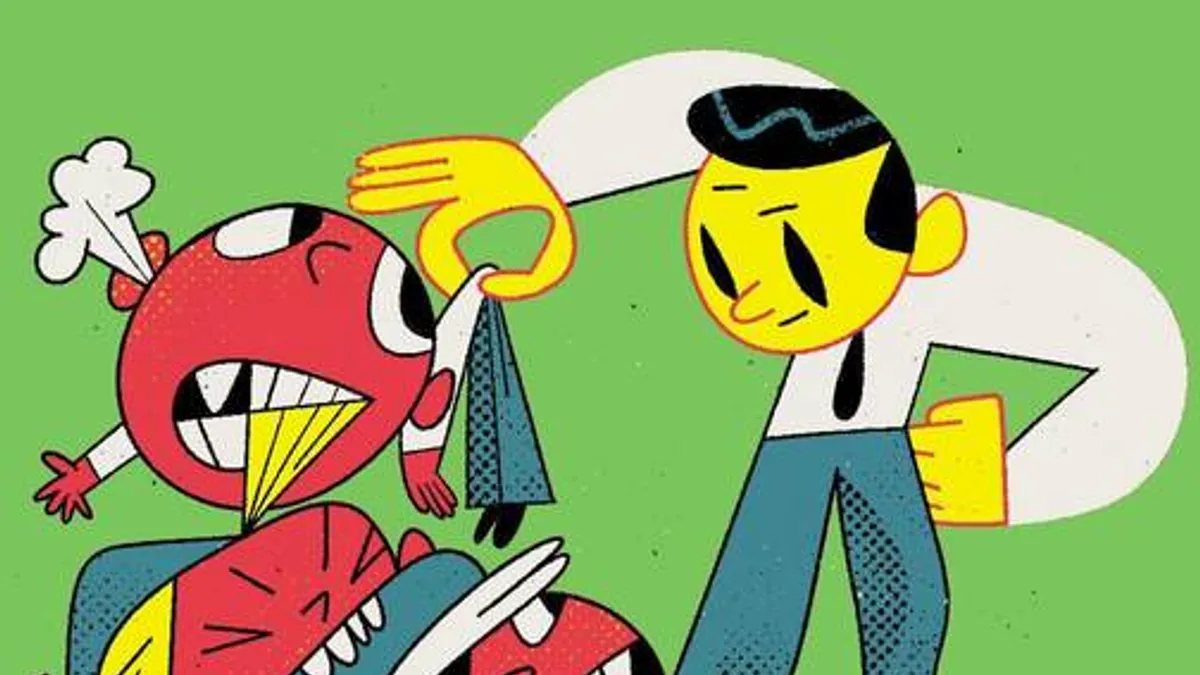
Conflict resolution skills are the habits that turn a disagreement into a usable next step: naming the issue, hearing both sides, keeping enough distance to stay useful, and following up so the same fight does not restart next week.
Conflict can push a team forward. Unresolved, it can also make the same team implode. A workplace with no friction is often stagnant. A workplace with lingering fights feels like a battleground. Employers notice the people who can say, in the middle of that, “Let's fix this.”
When passions run high, clashes are normal. If they fester, turnover rises, output drops, and morale follows. Breakthrough ideas often start as conflict. That only helps if someone sidelines the damage and keeps the useful part. This guide covers what conflict resolution is, three common workplace types with examples, and a six-step process with the skill subsets a mediator actually uses. Pair it with collaboration skills and teamwork skills when you need to show the same work on a resume.
What is conflict resolution?
Conflict resolution is finding common ground and moving toward a solution that can work for both sides when people or teams disagree on ideas, methods, goals, or beliefs. Mediation can come from inside the group or from someone outside it. In both cases, impartiality matters. The person helping should not get pulled into the fight. That only adds a third agenda.
The best managers treat conflict as fuel: they use it to pull people closer, build agreement around a hard problem, and remind everyone they are in the same boat. If a team were peaceful all the time, people would work in silos and ideas would stop crossing desks. Conflict is healthy when the right person resolves it in the right way. If you need language for that on paper, see resume skills that get you hired.
Types of conflict in the workplace
Three types of conflict show up most often at work: clashes between peers, clashes with a manager, and disagreements with clients or vendors. Each needs a slightly different touch.
Employee conflicts
Employee conflicts between two people of similar seniority are usually handled by someone more senior. That seniority often gives the mediator enough weight to push a resolution through. The best version of that top-down help is still creative and careful, not loud and dominating.
Example
Simon complains that Sarah is always late providing the figures for his monthly reports. Sarah says that his deadlines are unreasonable and do not give her enough time to collate what is required. Both are stubborn and unwilling to find a compromise.
Conflicts with manager
Conflicts with a manager are a different problem. Most day-to-day disagreements should be smoothed by the manager. Every so often an issue needs an outside, objective mediator. The work is to avoid undermining the manager's authority while still admitting that managers can be wrong.
Example
Layla feels that her boss Rachel is not listening to her and always dismisses her ideas. Rachel thinks that Layla should concentrate on getting the basics of her job right before she can get involved in strategic matters. Their workplace expectations differ.
Client disagreements
Client disagreements (and fights with service providers) do more than sour a relationship. They can hit revenue. Many clients are hard to replace, so time spent on resolution is usually cheaper than time spent finding a new account, while still trying to prevent the clash in the first place. Watch for patterns that turn abusive or discriminatory. Those are not “tough negotiations.”
Example
The client has had a change of management and wants to renegotiate the payment terms on the contract. Negative cash flow is impacting their service provision. The company manager is refusing to amend the contract until it runs out in two years' time.
How to resolve a conflict
Resolve a conflict by keeping enough emotional distance to stay a mediator, then moving through six steps: acknowledge the issue, encourage empathy, mediate, push for action, agree a plan, and follow up. If you join the heat of the moment, you become part of the fight instead of the person who can end it.
Here are the six steps, with the skill subsets that support each one.
Acknowledge the issue
Acknowledge the issue by listening to both sides until you can state each perspective fairly, then getting agreement that the problem is real and needs solving. Recognition is not the same as picking a winner.
Listening skills: Intuition, encouragement, attentiveness, persuasion, active listening, respect, sincerity, articulation, calmness.
Encourage empathy
Encourage empathy by asking each person to look at the problem from the other chair. What is making that stance feel necessary? How did the conflict start? What could each person move toward without pretending they were never upset?
Empathy skills: Compassion, enabling trust, patience, inclusion, balance, flexible thinking, emotional intelligence, being present.
Act as a mediator
Act as a mediator by creating time and space for both people to reach a shared understanding, then helping them invent a way forward. You are not there to play judge and jury. You are there to be an observant cheerleader who keeps the conversation usable.
Mediation skills: Positivity, professionalism, rational approach, impartiality, measured, transparency, humility, diplomacy, perception.
Prioritize action
Prioritize action by insisting on movement from the start, not after everyone has finished venting. Understanding the conflict is necessary. Leaving without a change in behavior is not. Both sides will have to compromise. The work is the journey toward a workable deal, not a perfect destination.
Assertiveness skills: Determination, visionary thinking, delegating, prioritizing, honesty, negotiation, fairness, leadership, influencing, data-driven.
Solve problems and create a plan
Solve problems and create a plan once action is agreed. Name the behavior and attitude changes that will improve the relationship, and remove the operational or commercial blockers that keep restarting the same argument.
Problem-solving skills: Creativity, critical thought, collaboration, problem resolution, brainstorming, strategic thinking, negotiation, decision making, organization.
Follow up and ensure accountability
Follow up and ensure accountability because conflicts restart when attention fades. The two people will find a new reason and the same pattern returns. Watch the relationship, check progress, and escalate if things get worse instead of better.
Accountability skills: Drive, focus, feedback, motivation, versatility, leadership, following-through, impartiality, planning, logic.
Frequently asked questions
What are conflict resolution skills?
They are the abilities that help you move a disagreement toward a solution both sides can live with: listening, empathy, mediation, assertiveness, problem-solving, and follow-up. They show up between peers, with managers, and with clients.
Is workplace conflict always bad?
No. Disagreement can surface better ideas and stop people working in isolation. It becomes damaging when it is personal, ignored, or allowed to drag. Resolution is what keeps the useful part and contains the rest.
Who should mediate a conflict at work?
Peer conflicts are often mediated by someone more senior. Manager-employee conflicts sometimes need an outside person so authority is not the only tool in the room. Client conflicts usually need someone who can protect the relationship without ignoring abuse or discrimination.
How do I put conflict resolution on a resume?
Describe the situation, the mediation, and the result. “Mediated a reporting-deadline clash between two teams and cut late submissions by half” is stronger than listing “conflict resolution” in a skills column. Build that resume in the MakeResume builder if you want the bullets next to the rest of your experience.
Tools & guides mentioned in this article
- AI Resume Builder
Build an ATS-ready resume with AI writing help and live preview.
- Resume Templates
Browse ATS-friendly layouts for every industry and career stage.
- Free ATS Checker
Upload your resume and get an instant ATS compatibility score.
- Free Resume Checker
Grade your resume's overall quality, bullet impact, and clarity for free.
- Career Advice Blog
More resume, ATS, and job-search guides from MakeResume.
Land 3x more interviews with AI.
Don't let your resume get stuck in an ATS. Build an optimized resume in minutes, then validate it with our free checker.