
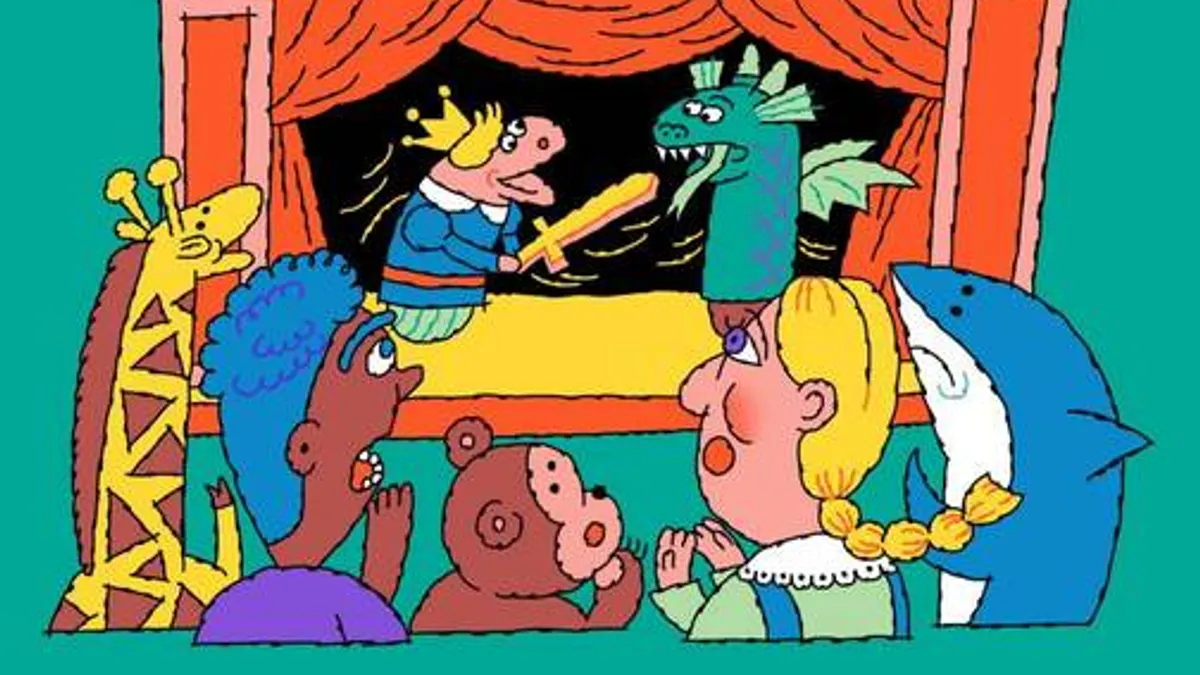
Presentation skills are the habits that let you stand in front of a room (or a Zoom grid) and move a group of people toward one idea: choosing the right format, keeping the message sharp, matching the tone to the audience, and recovering when the plan starts to slip.
Plenty of capable people still dread presenting. You have watched dozens of talks and still cannot tell which speakers were calm and which ones were counting the seconds until they could sit down. Rejection from the group is an old fear. Heart rate goes up when you are the one being judged.
The talks that land are not the ones with the most slides. They are the ones that reach most of the room with most of the point. This guide covers why presentation skills matter, twelve skills worth practicing, and how to prepare without over-rehearsing yourself into a trance. Use it alongside resume skills that get you hired and our collaboration skills guide if you also need to show this work on paper.
Why are presentation skills important?
Presentation skills matter because they let you share one message with many people at once, instead of repeating the same conversation twelve times. The demands do not shrink just because the room is small. Three people in a conference room can be harder than three hundred in a hall, because every face is visible and every pause is loud.
You use presentation skills whenever you speak in public on a set topic. That includes a two-person work meeting with a deck, a conference speech, a department update, a sales or investment pitch, and an impromptu stand-up when someone asks you to “just walk us through it.” The talk may be persuasive, instructive, inspiring, or informative. You might read from a script, speak from memory, or improvise. The skills below still apply.
Presentations show up in more shapes than a keynote:
- Any work meeting between two people can include a stretch of presenting.
- A speech at a conference, seminar, department meeting, or similar event.
- Sales, marketing, and investment pitches to external clients, of any size.
- Talks that aim to persuade, instruct, inspire, or inform.
- Material that is read, memorized, or given on the spot.
Whatever the format, the goal is the same: feel more sure of the message, and leave the audience with more of what you needed them to remember. If you also present in interviews, pair this with interview skills that get you hired.
12 presentation skills to master
Twelve presentation skills cover the work from format choice through nerves: match the medium, keep the message clear, sound like you care, speak to the people in the room, tell a story, change course if you have to, hold attention, use humor carefully, drop filler sounds, stay inside the clock, use visuals on purpose, and treat anxiety as fuel.
There is no such thing as a perfect presentation. Communication can always be tighter. Perfect is the enemy of good when you are already on your feet. You need to reach most of the audience with the majority of what you came to say. The skills below will get you there more often than a longer slide deck will.
Match the medium to the occasion
Match the medium to the occasion by choosing slides, a script, or a conversation based on the room, not on habit. A conference talk or investor pitch without a clear deck looks unfinished. A wedding speech with a PowerPoint looks like a status meeting. A five-minute Zoom update does not need twelve charts.
Ask what the audience expects to look at while you talk. If they need numbers they can screenshot, bring slides. If they need to feel something, keep the screen dark and use your voice. The medium is part of the message, not a decoration you add at the end.
Keep your message clear
Keep your message clear by saying less than you could, not more. You can always add another slide. Too many talks bury the point under volume, hoping the audience will fish it out. Give them more credit. They usually understand more than you assume.
Pick one or two ideas you would still want them to repeat in the hallway. Cut the rest, or park it in an appendix. Trust people to fill in the gaps. If you also write this way in email and meetings, your communication skills will show up in more places than the stage.
Adopt a passionate tone
Adopt a passionate tone by finding something in the material that actually interests you, then letting that interest reach your voice. If you sound bored, the room will match you. You cannot outsource excitement to a slide animation.
Tell the story as if you have just found the useful part and cannot wait to pass it on. That does not mean shouting. It means energy in the pacing, in the examples, and in the moments you choose to slow down.
Speak to your audience
Speak to your audience by writing the talk for their knowledge level, not for yours. This sounds obvious and still gets skipped. You already live inside the topic. They do not.
Ask why they would care. What do they already know? What would make them think, not just nod? You earn attention when you add to what they brought into the room, not when you recap a document they could have read on their own.
Embrace your inner storyteller
Embrace your inner storyteller by taking the audience on a path with a few core messages, some tension, and a reason to wonder what happens next. The talks people remember are stories, not inventories.
Will they hang on the next sentence? Will they care what comes after the example? Mystery and hard questions keep people in the seat. A couple of clear messages keep them from getting lost. If you lead mixed teams, the same narrative skill shows up in collaboration: people follow a story of the work more readily than a list of tasks.
Be ready to change your approach
Be ready to change your approach when the room tells you the plan is failing. You can prepare twenty slides and lose people by slide five. Pushing through the other fifteen because you built them is pride, not professionalism.
Almost nobody knows you had more slides. Skip, summarize, ask a question, or switch to a whiteboard. Winning the audience back is a better outcome than finishing a deck they stopped hearing.
Retain the audience's attention
Retain the audience's attention by proving in the first few minutes that they will get something useful, presented in a way that is worth staying for. Most people in the room wanted to hear from you. Colleagues at a work talk usually have a reason to be there. They start hopeful. Do not waste that.
Hope fades fast if the opening is a table of contents and an apology for being nervous. Open with the problem they care about, a story, or a claim they will want to test. Then keep earning the next minute.
Be brave and incorporate humor
Be brave and incorporate humor by testing a simple, non-controversial joke before you use it live. Attempting humor in front of a group is scary. A few genuine laughs are also one of the fastest ways to reset a tired room.
Even a modest attempt can get people listening again. Keep the jokes simple. Skip anything that punches down or depends on inside knowledge only you have. Try the line on a colleague first. If it dies in the kitchen, it will die on stage.
Be aware of filler sounds
Be aware of filler sounds by treating silence as a tool instead of filling every gap with “um,” “er,” “well,” or “you know.” Those words add nothing. When a speaker is unsure, they can occupy half the talk.
If you need a mental breath, take it. Do not narrate the breath. A short silence feels longer to you than to the room, and it often sounds like confidence.
Don't run out of time
Don't run out of time by designing a shorter talk than the slot, then using leftover minutes for questions. Running over means you will skip the ending, rush the point, or both. The audience is smart enough to fill gaps. They are not smart enough to hear a conclusion you never reached.
Time management is a presentation skill, not a calendar skill. Rehearse with a timer. Cut content until you can finish early when something goes wrong, because something will go wrong.
Importance of images and visuals
Images and visuals matter because the right picture or chart can land a point faster than two sentences of hype. A graph can hit harder than a paragraph. When a visual appears, people sit up. Their first question is why it is there. Answer that question with the next sentence, or they will invent their own.
Do not decorate slides. Choose visuals that create a connection the words cannot make alone, then get out of the way.
Embrace your anxiety
Embrace your anxiety by treating the extra adrenaline as energy you can spend on the opening, not as proof you should hide. Anxiety and excitement sit close together. You often need some of that charge to wake the room up.
The other option is to walk out apologetic and small. Channel the nerves into pace, volume, and presence. You do not have to feel calm. You have to look like you meant to be there.
How to prepare for a presentation
Prepare for a presentation by knowing the material well enough to wander, researching the audience and the claims, visualizing the day from their seat, and stopping practice before you sound like a recording. Memorizing every word is not the same as being ready.
The talk should feel familiar. The ability to riff and follow a useful tangent is what keeps it alive. Audiences can tell when you are being spontaneous. When they cannot predict the next sentence, they keep listening. When the talk is a loop they could have read, they open their phones.
When you write the speech, do the groundwork first. Understand who will be in the room. Research the messages and the issues around them. Back claims with stories, statistics, and images. People absorb the same fact better when it arrives in a new context. Do not fire facts at them like a list.
The third part of preparation is visualization. Walk through the day in advance: the trip to the venue, the small talk with organizers, the step onto the floor. Then watch yourself from a seat in the audience. Be honest. What do you notice? What would you change? Do you make people comfortable, or do you make them tense on your behalf?
The last skill is knowing when you have prepared enough. You can exhaust the talk by drilling it until it has no edge. Draw a line when you know it well enough. Freshness travels. Stay slightly on the side of not quite perfect.
If the preparation is real, the minutes before you start get simpler. You have the material. You have a plan for the room. Go.
When the talk is also a career move, put the same clarity into the documents you send afterward. A tight resume and a matching story in interviews make the presentation part of a longer arc, not a one-off performance.
Frequently asked questions
What are presentation skills?
They are the abilities that help you deliver a message to a group: choosing the format, keeping the point clear, matching tone and content to the audience, using story and visuals, managing time and nerves, and adjusting when the room is not with you.
How do I get better at presenting if I am nervous?
Prepare until you can riff, not until you can recite. Rehearse with a timer, open with something useful in the first minutes, and treat the extra adrenaline as energy for the start. Practice on smaller rooms whenever you can. The skill compounds.
Do I always need slides?
No. Match the medium to the occasion. Investor pitches and conference talks often need a deck. A wedding speech, a short team update, or a conversation with three colleagues often does not.
How should I show presentation skills on a resume?
With outcomes, not the word “presentation.” Name the audience, the setting, and what changed: a win rate, a decision, a rollout, a training completion rate. Put that in experience bullets. See resume skills that get you hired for how to phrase it.
Tools & guides mentioned in this article
- AI Resume Builder
Build an ATS-ready resume with AI writing help and live preview.
- Resume Templates
Browse ATS-friendly layouts for every industry and career stage.
- Free ATS Checker
Upload your resume and get an instant ATS compatibility score.
- Free Resume Checker
Grade your resume's overall quality, bullet impact, and clarity for free.
- Career Advice Blog
More resume, ATS, and job-search guides from MakeResume.
Land 3x more interviews with AI.
Don't let your resume get stuck in an ATS. Build an optimized resume in minutes, then validate it with our free checker.